
Born To Be Wired
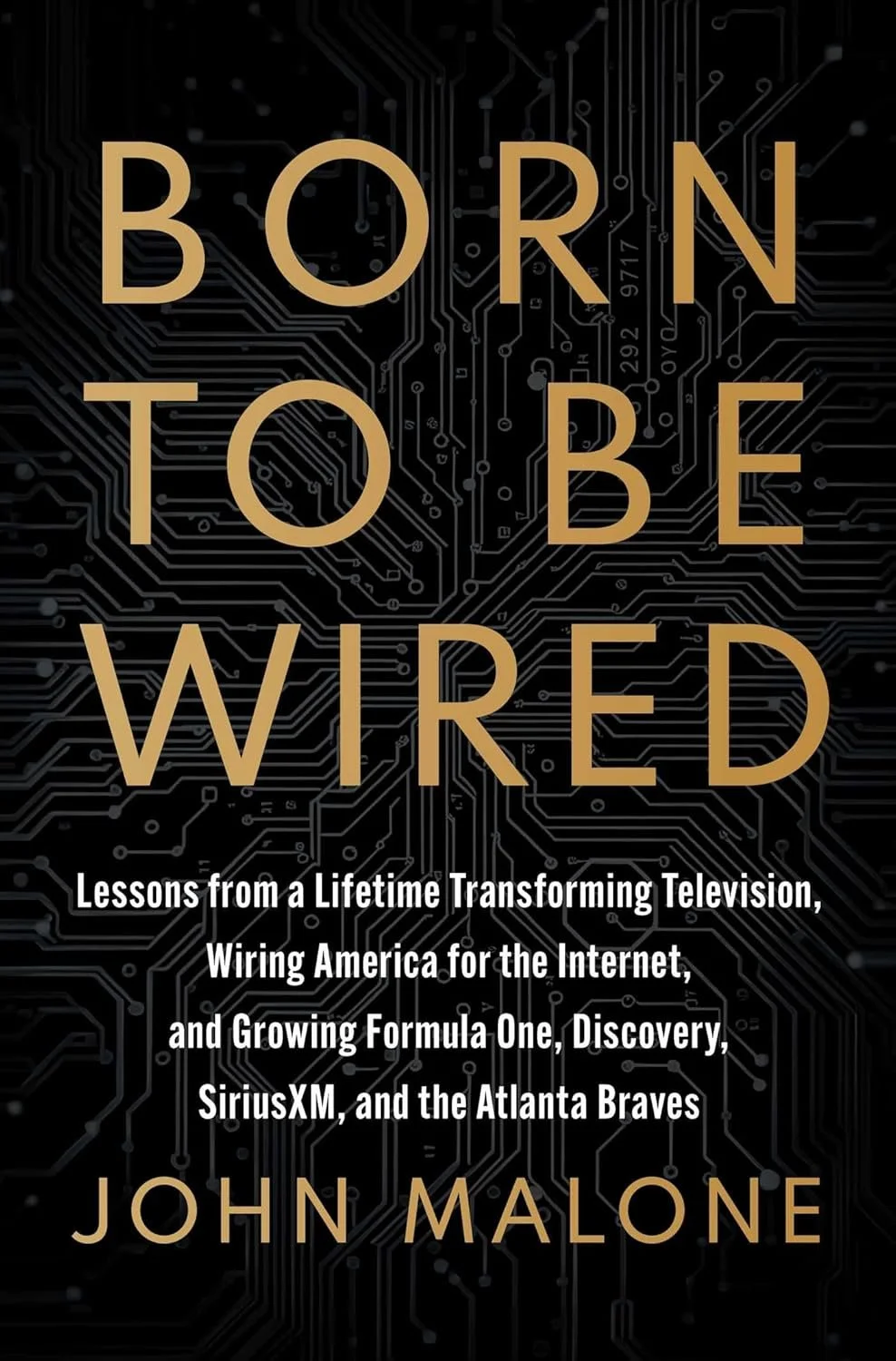
I have to confess I had little to no knowledge of John Malone before diving into Born to Be Wired. The book came up during a recent episode of We Study Billionaires, which explored Malone’s approach to deal making and valuation structuring. In particular, the discussion highlighted how central Malone was to the widespread use of EBITDA as a valuation metric.
Typically, if a book sparks even a small amount of curiosity through a review or podcast discussion, I’ll go straight to the source. Whilst reviews can provide a good overview, even in long form podcast discussions, they’re rarely a substitute for consuming the original material directly.
The book covers Malone’s business career in considerable depth. Along the way it also explores the personal cost that came with his relentless focus on work, particularly during periods where the demands of building and running businesses placed strain on relationships closest to him. It’s another one of those business biographies that lays bare both sides of the equation; what can be achieved through sustained effort and focus, and the sacrifices that often accompany it.
I think it’s probably fair to say Malone has lived, breathed and almost become part of the integrated circuitry of cable television and modern media. Around halfway through the book, whilst listening during a run, I actually said out loud to myself, “he’s an absolute beast.” At times the story feels like a continuous stream of major deals, restructurings and strategic manoeuvres, all unfolding within companies that played a central role in the evolution from traditional cable television to the streaming landscape we see today.
I suspect this book won’t be for everyone as there are sections that become quite detailed from a business perspective, particularly when covering corporate structures, operational strategies and deal mechanics. For readers interested in business, leadership, finance or the media industry though, it’s a fascinating window into the thinking and execution behind some large and pivotal transactions.
Personally, I tend to appreciate biographies that don’t shy away from the less comfortable elements of a life story. When a book presents both the professional achievements and the personal consequences that often accompany them, it gives a far more balanced picture of what that path can look like. For anyone looking from the outside at a life of extreme professional success, it’s useful to see both the rewards and the trade-offs that tend to sit behind it.
Not a book I had on my reading list for the year, but one I’m very glad I stumbled across.
Who’s It For?
This is probably another biography that won’t necessarily appeal to the casual reader of the genre, as some sections go quite deep into business strategy and deal structuring.
For readers who enjoy biographies of successful entrepreneurs, business operators or investors however, it’s well worth the time.