
The Deficit Myth
I’ve always thought it’s important to expose yourself to arguments that challenge your existing views. Not necessarily because you’ll change your mind, but because understanding the strongest version of an opposing argument helps test your own thinking and identify any weaknesses in your position.
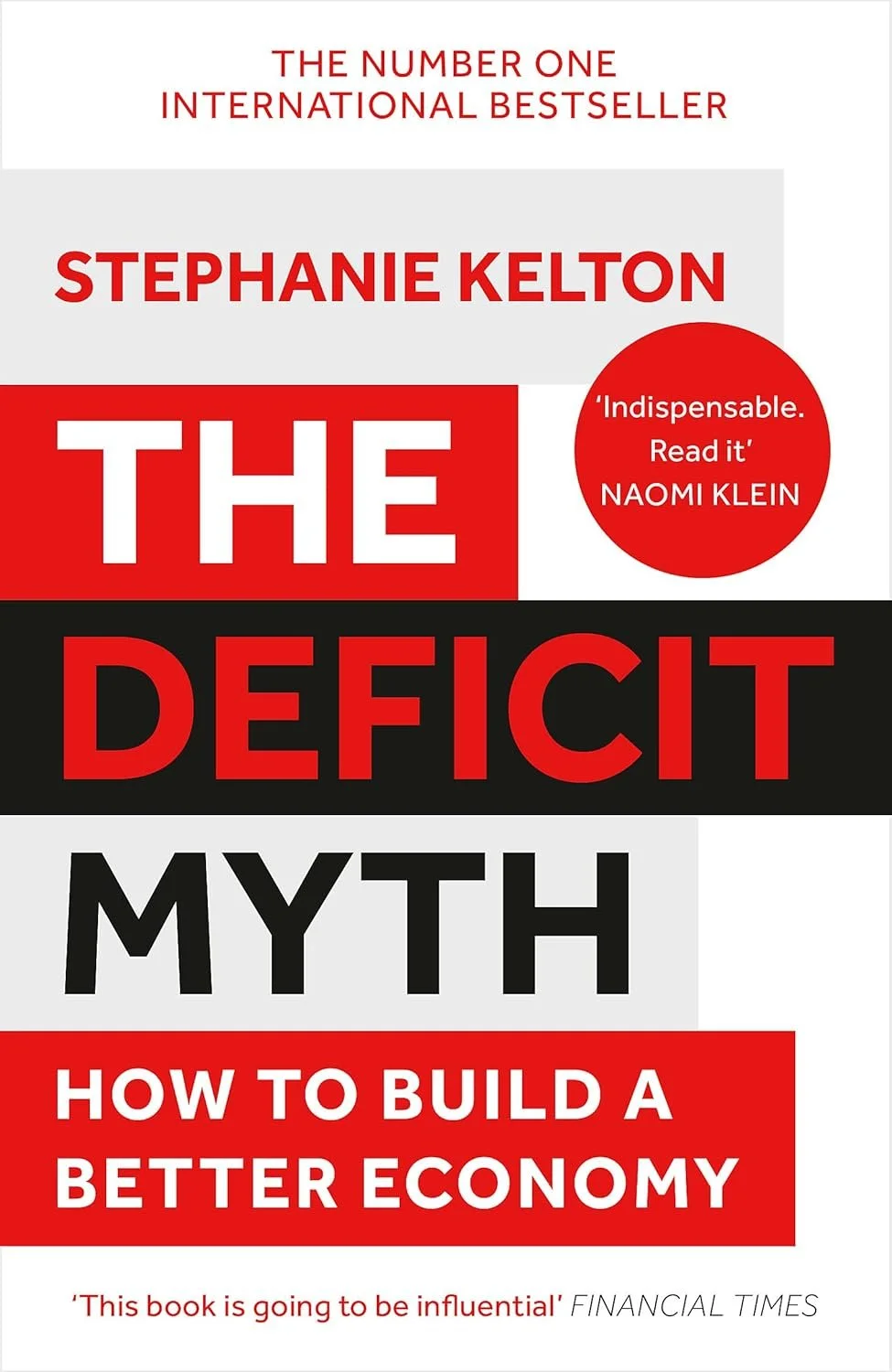
With that in mind, I decided to give The Deficit Myth by Stephanie Kelton a listen.
It’s probably worth being upfront that I have some fundamental disagreements with Modern Monetary Theory, particularly as it is presented within this book. Exploring those disagreements properly would require a separate article in its own right, so I’ll focus here on the book itself rather than attempting a full critique of MMT.
From a structural perspective, Kelton does a good job of presenting her case. Whether you agree with her conclusions or not, it's clear that a considerable amount of thought has gone into explaining how MMT views government spending, deficits and resource allocation. She carefully walks the reader through a range of societal challenges where she believes existing fiscal constraints have limited our ability to address important problems.
If you're already sympathetic to MMT, much of the book will likely resonate. If you hold opposing views, your experience will probably depend on both the strength of those views and your willingness to engage with ideas you fundamentally disagree with.
In simple terms, Kelton's position is that countries which issue their own currency can’t become insolvent in the same way households or businesses can. From that perspective, deficits are often misunderstood and need not act as the primary constraint on government spending. Instead, the true limitation is the availability of real world resources and productive capacity.
Importantly, Kelton doesn’t present MMT as a licence for unlimited spending although taken through to its logical conclusion her arguments often end up leading down that path. Her argument is that governments should focus on directing resources towards solving meaningful societal problems rather than allowing fiscal rules and deficit concerns to dictate policy choices.
Where I part ways with the thesis is that I believe it significantly underplays the risks associated with monetary inflation and currency debasement. It also largely overlooks the human component and inability to avoid misuse of uncontrolled fiscal policy if allowed. Without those concerns carrying meaningful weight, it becomes much easier to argue that spending constraints are largely artificial and that governments should simply create the resources necessary to tackle pressing challenges.
I can understand why that argument appeals to many people, particularly when discussing issues such as inequality, healthcare, education or infrastructure. My concern is that the harder questions surrounding inflation, incentives and long term monetary stability receive far less attention than they warrant if you’re going to present a balanced view of the deficit challenge many countries face.
That said, I don't think it's fair to criticise the book for failing to argue against itself. Kelton's objective is to explain and advocate for MMT, not necessarily to provide a balanced debate between competing economic schools of thought. Judged against that objective, I’m inclined to say the book succeeds. It presents the theory clearly, consistently and accessibly.
Ultimately, whilst I remain unconvinced by the central premise, I still found value in reading it. If we only consume material that reinforces our existing beliefs, our thinking tends to stagnate. Understanding alternative viewpoints, especially those we disagree with, is an important part of developing more robust opinions of our own.
One notable point that I commend Kelton for is that she largely avoids spending her time attacking competing schools of economic thought. Whilst alternative perspectives are referenced throughout, the overwhelming focus remains on explaining MMT itself. Whether you're persuaded by the argument or not, the book remains a useful introduction to one of the more debated economic frameworks of recent decades.
Who's It For?
Anyone interested in understanding MMT should consider reading this, particularly those who are curious about why it has gained attention amongst economists and policymakers.
If you're already sympathetic to MMT, you'll likely find much of the book compelling. If you're sceptical, it may occasionally test your patience, so don’t be surprised if you’re ultimately unable to see it through to the finish.