
Extreme Ownership
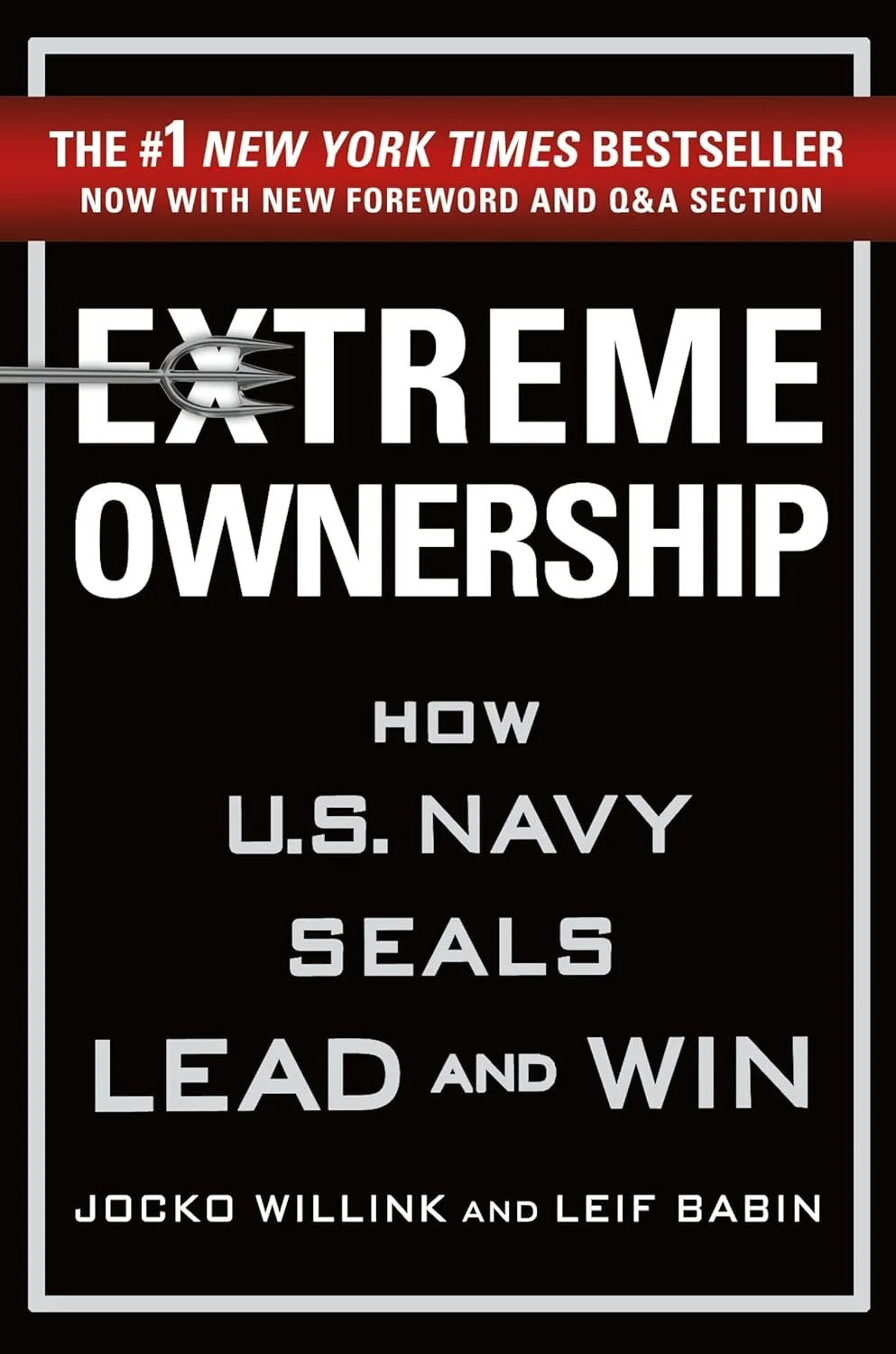
I first read Extreme Ownership not long after its release just over a decade ago. I can’t recall exactly how I came across Jocko Willink for the first time, though I strongly suspect it was through a guest appearance on a podcast. Since then, I’ve been a regular listener of The Jocko Podcast and gifted the book on several occasions.
I still remember the first time I gave Extreme Ownership to a member of my team. He gave me a slightly perplexed look when he saw the subtitle, How U.S. Navy SEALs Lead and Win. I of course explained why I was giving it to him and how much I’d taken from it, so I think it made more sense after that. I can only hope that he, along with others I’ve shared it with, went on to adopt even a fraction of the lessons that have stayed with me over the years.
It makes sense that in an environment where decisions can mean the difference between life and death, leadership lessons are delivered with absolute clarity. The book is structured into three parts. The first, Winning the War Within, focuses on foundational principles that the rest build off. The second, Laws of Combat, is more operational in nature, covering practices applied in operational execution and delivery. The final section, Sustaining Victory, steps back with a more strategic lens sustained success once the foundations and operational discipline are in place.
Each chapter opens with a principle brought to life through battlefield experiences in Ramadi, Iraq. The lesson is then unpacked in detail before being grounded in real-world business examples. Following their retirement from the SEALs, Jocko and members of his unit went on to found Echelon Front, which gives them the real life bridge between military leadership and corporate application.
What makes the book so effective is that you’re never left with abstract ideas alone. The vivid examples provide clear anchors, making it far easier to translate the lessons into your own work and life rather than leaving them as concepts that sound good but go unused.
Military leadership, war history, and strategy literature have probably taught me some of the most valuable lessons I continue to apply both personally and professionally. I work in IT consultancy, a world far removed from anything resembling a battlefield, yet the principles around discipline, ownership, prioritisation, and team leadership translate consistently well in the corporate arenas I operate in. When dealing with complex organisations, competing priorities, and varied personalities, these lessons remain a source of practical wisdom.
In my view, this book belongs in the library of anyone serious about leadership, whether in business or life, and is one worth returning to more than once.
Who’s it for?
If you manage people in any capacity, this is a book you should read. It’s equally valuable for team members, as the principles help you become more disciplined, accountable, and effective in how you show up and as a result improve your team.
Even at an individual level, lessons such as extreme ownership and prioritise & execute can be applied well beyond professional life, making this as much a personal development book as a leadership one.