
Pathfinders
It’s getting a bit difficult to break out of the Audible algorithm at the moment. Even though I’ve been branching out across different categories, whenever I come across new books through podcasts the recommendations still tend to pull me back towards investing.
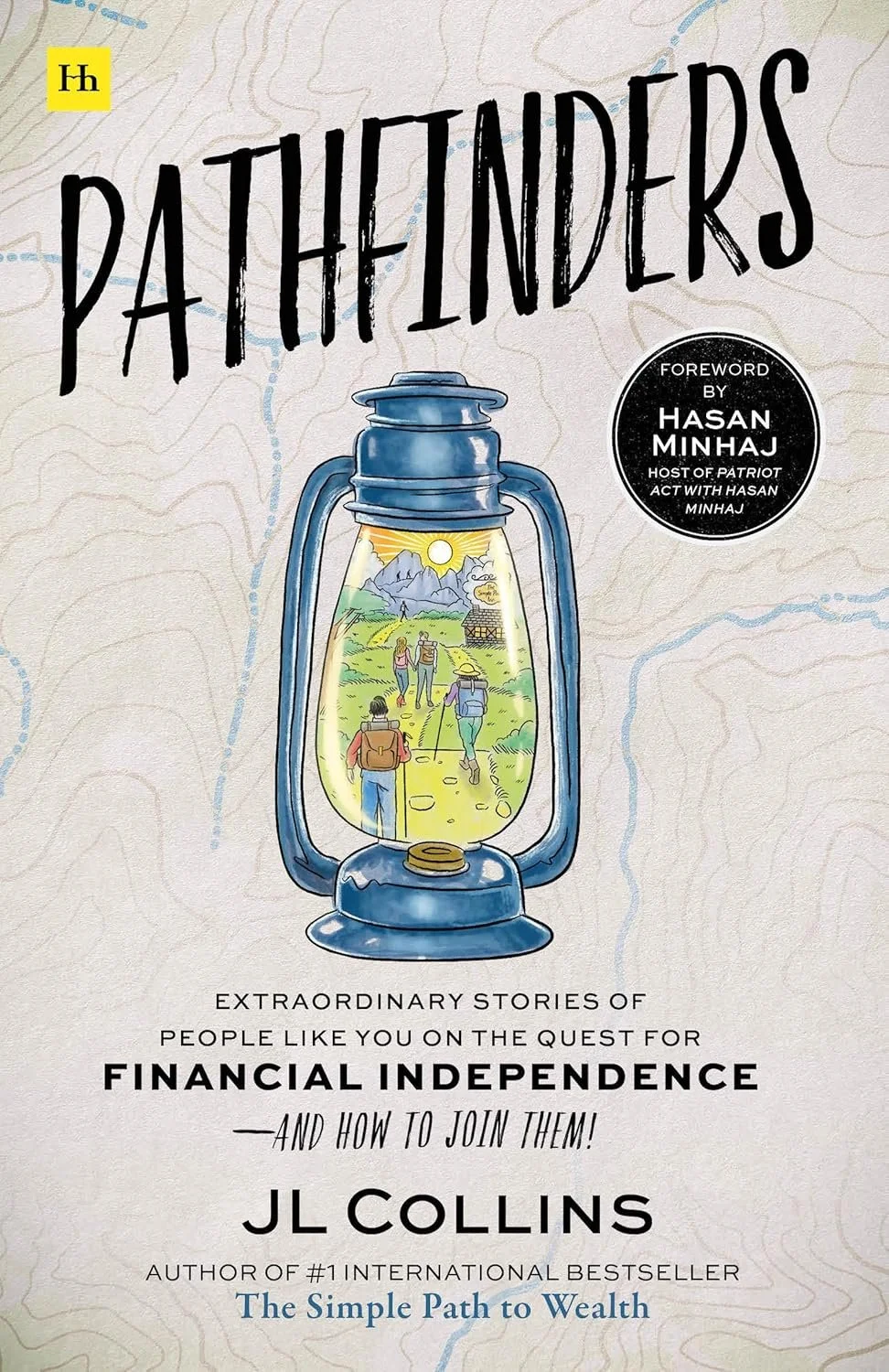
I decided to give Pathfinders by JL Collins a go, perhaps less for my own benefit and more because it felt like the type of book that would be useful to gift or recommend when people ask where to start with investing.
In that sense, it succeeds in delivering, although by the end I did feel it was probably longer than it needed to be to get its core message across. That said, people come from very different backgrounds and levels of understanding, so the additional examples and use cases likely help the message resonate more broadly. It also means that depending on your existing exposure to investing, you may not feel the need to read every section in full.
At its core, the book promotes a very simple approach. Invest in the S&P 500, do so consistently, and allow compounding to work over time.
I don’t necessarily disagree with anything about that advice as it’s sound, and time tested. Where I found myself slightly at odds was in how strongly the book leans away from alternative approaches. There’s a clear effort to steer readers away from individual stock selection or more active strategies in favour of a set and forget mindset based on the assumption that markets will trend upwards over the long term.
For many people, that’s likely the right approach, particularly if time, interest or confidence in analysing markets is limited. That being said, I’m not sure it needs to come at the expense of dismissing other paths entirely. A more active approach, whilst more demanding, can also be both financially and intellectually rewarding if done well.
Where the book really works is in grounding expectations. It does a good job of showing both how achievable long term wealth building can be and a healthy dose of expectations on the number of years required for it to bear full fruits.
By drawing on examples from people at different stages of life, from those starting in debt through to those who simply began later than they would have liked, it helps remove some of the common mental barriers. The familiar thoughts of “I’m too late” or “I don’t earn enough” are addressed in a way that should make the process feel more accessible.
Who’s It For?
A useful read for anyone completely new to investing who is unsure where to start, what to expect in terms of time horizon, or what realistic returns might look like.
For more experienced investors, there’s less in the way of new insight. That said, the examples and framing may still prove useful when explaining investing concepts to others or helping friends and family get started.