
Robin
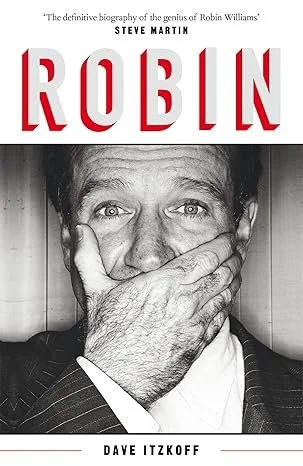
I’ve read many biographies and autobiographies over the years, covering entrepreneurs and business leaders, artists, athletes, military figures, and plenty in between. While all of them tend to shine a light on the complexities of people who reach the pinnacle of their chosen field, I often find it’s those in the arts, and comedians in particular, who present the most intricate portraits. The combination of wit, intelligence, charisma, and formative life experiences creates a complex picture of extraordinary talent alongside deep personal struggle.
Nowhere is this truer than in Robin, Dave Itzkoff’s biography of Robin Williams. It’s a strange thing to read about someone you feel like you know a lot about only to realise how little you actually understood. The book revisits films I’d forgotten Williams was in, along with others I didn’t even realise were part of his catalogue. As you move through the chapters, you’re reminded of the sheer volume and range of his work, roles he excelled in, others that divided opinion, and performances that were brilliant to some yet not universally embraced and even at times torn down by others.
Williams’ life story is deeply complex, particularly as he rises through the entertainment world. Unsurprisingly, it includes the battles that many artists of his generation faced, especially with substance abuse, often amplified by the expectation to always be the life of the party and the go to person for entertainment in any room he found himself in. There’s something about the way this book is written that steadily pulls you in. You find yourself moving between empathy, concern, laughter, and eventually sadness as it progresses towards its crescendo.
I suspect that response may depend on your own relationship with Williams’ work. For me, growing up when I did, he was the Genie, Mrs Doubtfire, the unmistakable opening cry of Good Morning, Vietnam, and a larger-than-life presence capable of switching personas faster than you could keep up. By the end of the book, you’re left wondering what toll it must take to live with such a relentlessly fast and creative mind for decades, especially whilst carrying the personal challenges he faced along the way.
Biographies aren’t for everyone, but if you’re drawn to them, this is a compelling and often moving read. As the book approaches its closing chapters and focuses on Williams’ death and the aftermath, there’s an overwhelming sense of loss. I listened to the audiobook and as the narrator covered the moments of his death I said aloud ‘it’s just so sad’ whilst out on a run despite knowing already how his life came to an end. He comes across as someone deeply tormented, taken far earlier than he should have been, yet whose contribution to joy, laughter, and humanity was immense.
In reflecting on his passing, the book references a speech by Billy Crystal, who described his friend with the line, “Robin Williams, what a concept.” Originally the title of one of Williams’ comedy albums, it feels like a perfectly fitting way to remember one of comedy’s greats.
Who’s it for?
If you enjoy biographies or have an interest in comedy, this is well worth reading. For those who grew up watching Robin Williams across his broad range of films and later came to appreciate his more emotionally demanding roles, this book offers a deeper understanding of the man behind the performances.