
The Tao of Coaching
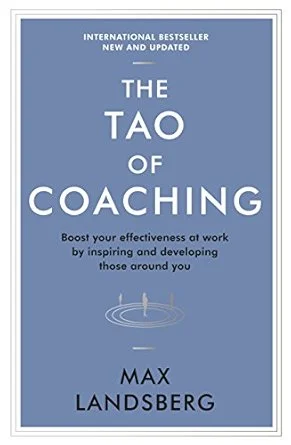
Last summer I had a well overdue catch up with an old friend and colleague visiting from Australia. On the train back home, he asked about the book I had with me (I can’t actually recall which one it was now) but also mentioned that he’d just finished The Tao of Coaching. He’d made a career move into executive coaching and this is one of the many books he’d been reading but said it was a relatively light but insightful read. I ordered it on the train but it’s taken me a while to get round to it.
I’ll admit that after the first few pages I wasn’t completely sold. largely due to the light-hearted narrative style it’s written in, which isn’t what I’m used to nor what I was expecting. However, after the first couple of chapters the style made sense and it quickly transitions into delivering valuable, practical insights and exercises.
One thing I particularly appreciated is how coaching is positioned as a natural part of progressing through management and leadership roles. That might sound obvious, but in practice many managers don’t see coaching as part of their responsibility or abandon it quickly if it doesn’t come naturally. This book challenges that idea albeit in quite a subtle fashion making it much more likely to land well. You won’t find groundbreaking or novel coaching strategies here, but that isn’t really the point. Instead, it serves as a reminder of why coaching matters, both for your own development and for those around you.
At just over 100 pages, it’s a short read and very much a refresher rather than a deep dive. If Tao is interpreted as the path or the way, then the book lives up to its name by offering a clear, accessible route into coaching without overwhelming the reader.
The structure is simple and effective. The story follows Alex, who whilst on holiday awaiting a decision about becoming a partner, reflects on his career and experiences within the company. Each short chapter is followed by practical takeaways and suggested exercises, covering topics such as the importance of coaching, giving and receiving feedback including upwards, the use of questioning, and the relationship between coaching and mentoring. It covers a surprising amount of ground in a very compact and logical way.
Structured, approachable, and engaging, this is a book I’m happy to recommend. I can easily see it becoming one that’s frequently gifted between managers, peers, and teams.
Who’s it for?
This is a good read for anyone who already sees themselves as a coach, even if only as a refresher. It’s equally valuable for those aspiring to move into management or leadership roles. I also think it works particularly well as a team gift, as it may spark interest in coaching or leadership for people who hadn’t previously considered that path. The inclusion of guidance on giving feedback upwards makes it useful even for those who don’t see management in their future, helping to tackle a hurdle many people quietly avoid.