
Runnin’ Down A Dream
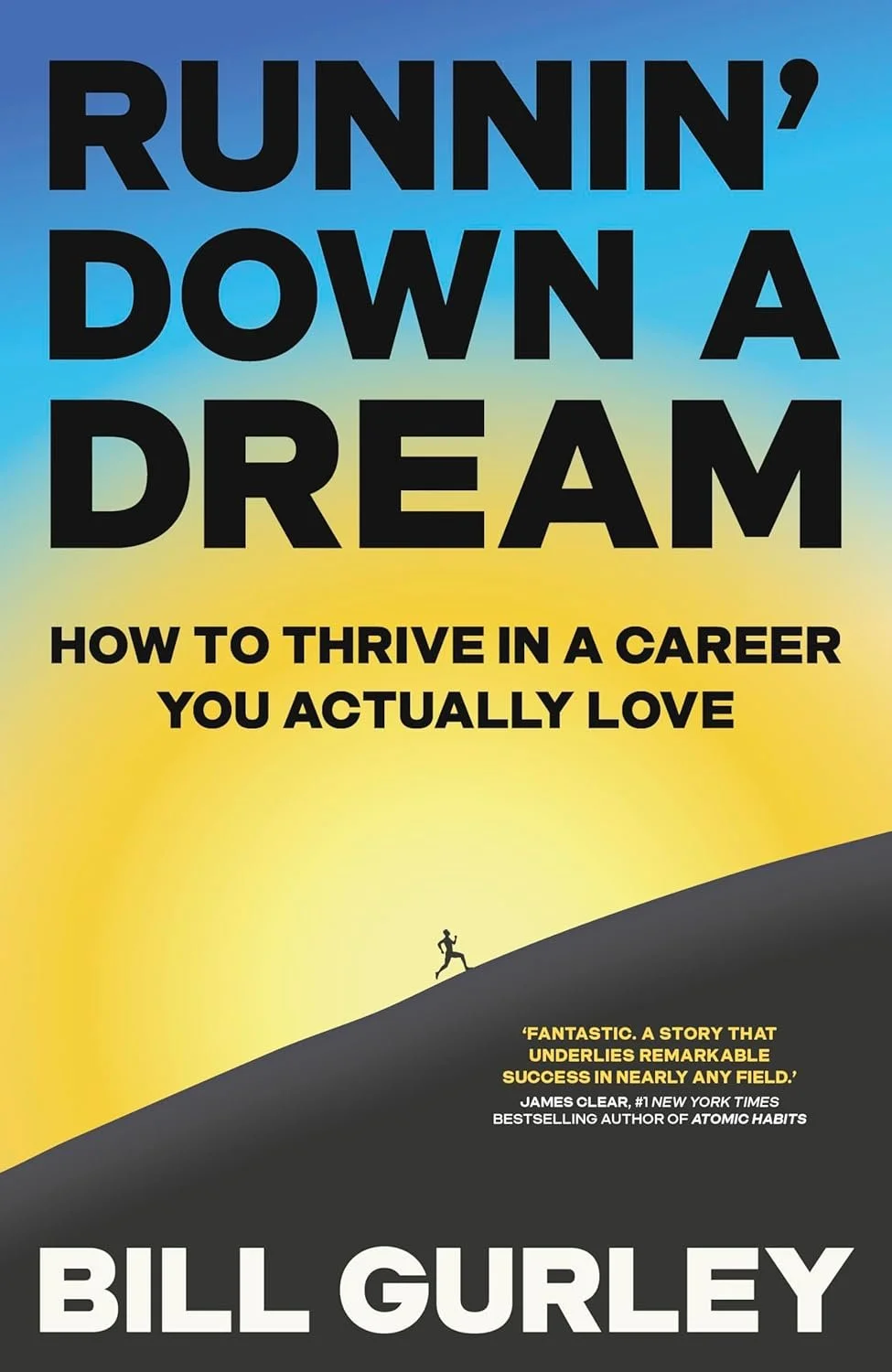
Runnin’ Down a Dream by Bill Gurley is one of those books I find myself slightly torn on, although I think that comes down more to my own preferences than any shortcomings of the book itself.
The core message of the book is about finding work you genuinely love and the success that can come from building a career around it. Gurley presents a number of principles tied to this idea, bringing them to life through a range of individual success stories. Having read it shortly after What to Make of a Life, I actually think the two complement each other quite well.
The lessons themselves are definitely valuable, and the use of varied examples helps ensure most readers will find at least one or two stories they particularly resonate with.
My only real reservation, and again this is more personal preference than criticism, is that the case studies remain relatively high level throughout. That’s understandable given the structure and intention of the book, but as someone who enjoys biographies, I tend to prefer going into deeper detail. The pace at which the stories move means you never spend too long with any individual example before moving onto the next.
If you don’t naturally gravitate towards biographies or deeper life stories though, I doubt this will even register as a concern.
It’s also worth noting that whilst Gurley does eventually discuss elements of his own story, it’s left until the Epilogue of the book. So, if you’re approaching this expecting something autobiographical, you’re not going to find that here.
Where the book does work particularly well is in introducing readers to successful individuals they may not otherwise have come across. Similar to What to Make of a Life whilst they focus on different ideas related to life and work, this is a trait they share.
Overall, I’m comfortable recommending it, though I think it helps to know what type of book you’re stepping into beforehand. The ideas around pursuing meaningful work aren’t limited to those starting their careers as they’re equally relevant to anyone at a crossroads or considering a shift towards a career they feel more connected to.
At the very least, you’ll likely come away either with a few new principles or reminders of ideas you may have encountered before but perhaps needed reinforcing.
It’s also an easy, accessible read and one that works particularly well heading into summer holiday season.
Who’s It For?
Readers who enjoy books centred around careers, fulfilment and life direction should find value here.
Whilst younger readers early in their careers may benefit most directly, I think it’s just as relevant for anyone later in life considering a career change or reassessing what meaningful work looks like for them.