
The Coffee Can Investor
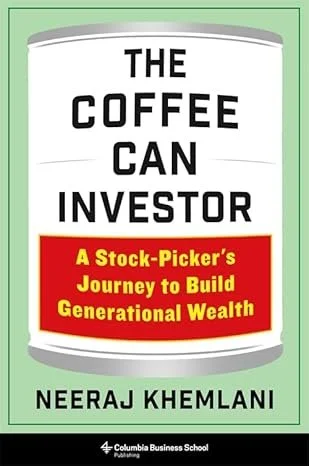
On a recent episode of The Compound and Friends, they interviewed Neeraj Khemlani and Matt Ankrum on the topic of identifying 100 bagger stocks. Whilst I wasn’t familiar with either guest beforehand, it made for a fascinating discussion and ultimately led me to pick up The Coffee Can Investor: A Stock Picker’s Journey to Build Generational Wealth.
Rather than blend thoughts from both the podcast and the book, I’ll focus solely on the latter here. That said, the podcast serves as a useful primer and should help determine whether you want to invest the additional time into the full book.
Khemlani opens by exploring the background to Ankrum’s “experiment”, which centres around applying a modern interpretation of the old “coffee can” investing approach. The core idea is simple, buy sustainable businesses with strong moats expected to grow in value, place them into a metaphorical coffee can, and allow time and compounding to do the heavy lifting.
In Ankrum’s case, the focus is on potentially creating a multi-generational nest egg not just for his children, but for their children too.
The book combines narrative storytelling with company analysis, following Ankrum’s process of building the portfolio, the reasoning behind particular investments, family events occurring alongside the journey, and eventually opening up to his children about what he’s been building and why.
Along the way, it covers broader themes than stock selection but commonly associated with long term investing and money management. There’s a strong emphasis on patience, discipline, long term thinking and teaching prudent financial behaviours to his kids.
A large portion of the book focuses on individual companies and the thesis behind why Ankrum believes they have the potential to become 100 baggers. Whilst the case studies themselves are interesting, the greater value lies in understanding the framework and mindset being applied. The aim isn’t necessarily to copy specific investments but to think more deeply about what characteristics might allow a company to compound at extraordinary rates over long periods.
At around 280 pages it’s not an especially long read, although you could probably skip one or two of the company case studies without losing much of the broader message or lessons.
From the perspective of a long term investor, I thoroughly enjoyed it. It provided a some new ideas, reinforced some existing approaches I already lean towards, and offered useful perspective on identifying companies capable of sustained long term growth.
Who’s It For?
Whether you’re relatively new to investing or already experienced, there’s likely something here worth taking away.
For newer investors, it provides useful insight into long term thinking, compounding and business analysis. For more experienced investors, much of it will feel familiar, but in a relatable and reinforcing way.
It’s also particularly worthwhile for anyone thinking about educating their children around investing or building wealth intended to outlast a single generation.