
The Richest Man in Babylon
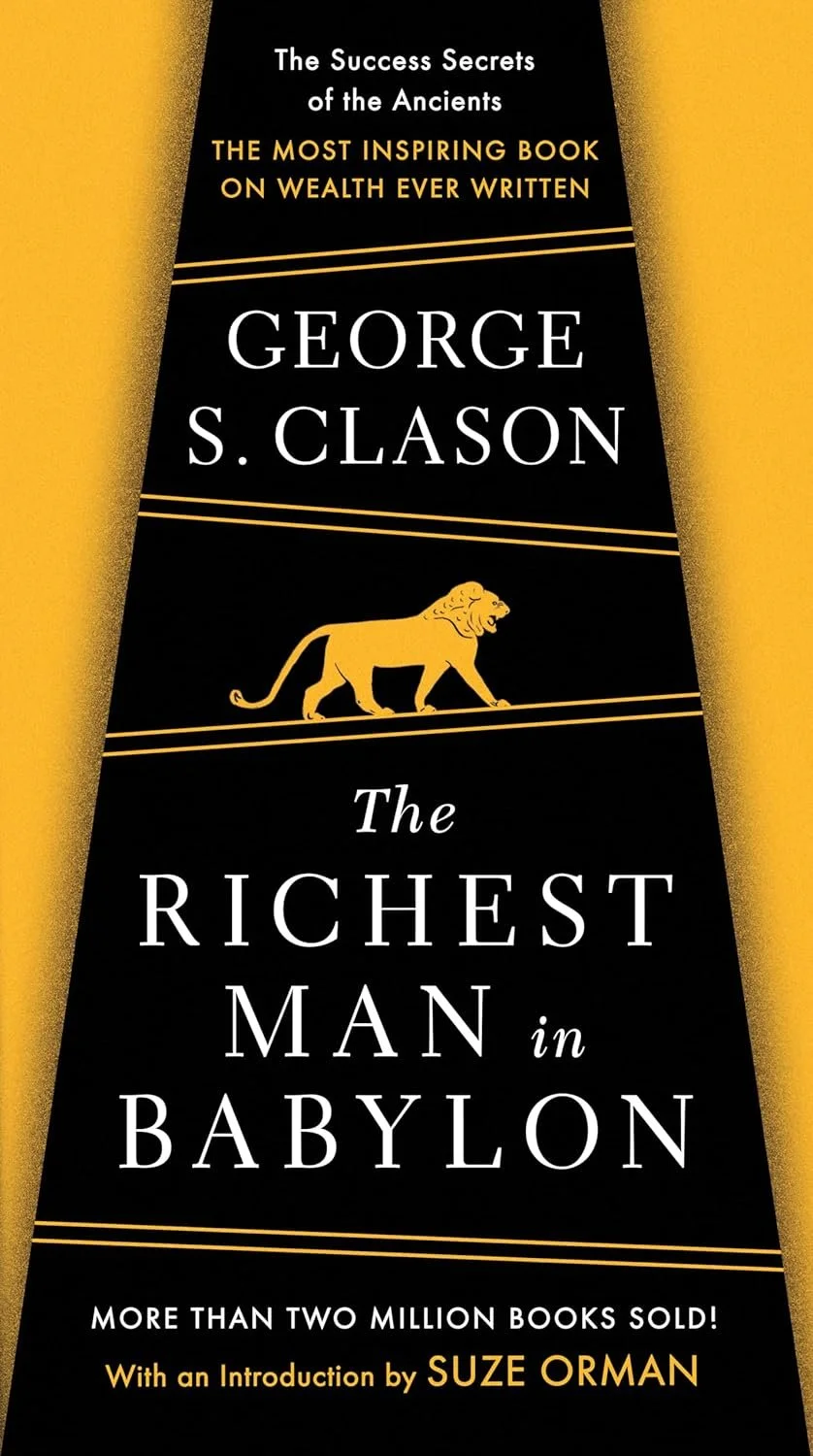
I can’t even recall what originally prompted me to buy The Richest Man in Babylon, although I suspect I heard it referenced either in an investing book or on one of the many recommended reading lists I’ve come across over the years.
It’s a simple, narrative based read, yet as with many things, some of the strongest lessons come from the simplest sources. Increasing your wealth is simple, but it’s not easy. Most people are simply unwilling to apply the basic decisions required to kick start the process of wealth accumulation.
The earlier you start, the more you stand to gain. Allocating 10% of your earnings each month without fail, assigning a set portion toward repaying debts, and living within your means are all straightforward principles of money management. Yet look around today, particularly in the age of social media and the constant urge to display status, and you’ll see how many people live beyond their means, delving deeper into debt rather than steadily building wealth.
I’m fairly certain schools don’t cover books like this, yet many young people would benefit enormously from learning and, more importantly, applying these basic financial lessons from the moment they begin earning money.
The book itself is structured through a series of stories centred around characters living in ancient Babylon. These range from the wealthy merchant Arkad, the richest man in Babylon, through to individuals who begin with little or even as slaves but gradually improve their fortunes through discipline, enterprise and a structured approach to saving and debt repayment.
At just 113 pages it’s a quick read, and because the language is simple and direct it’s accessible to almost anyone, young or old. I know plenty of people my own age who would benefit from taking these lessons seriously, just as much as teenagers like my godsons or stepdaughter who could gain enormously from learning them early.
Making money, building wealth and eliminating debt may not always be easy, but the underlying principles are timeless and remarkably simple if you’re willing to apply them.
Who’s It For?
One of the rare books I’d say is genuinely for almost anyone. The importance of understanding money management, wealth building and financial discipline touches every stage of life.