
Warren Buffett: Inside The Ultimate Money Mind
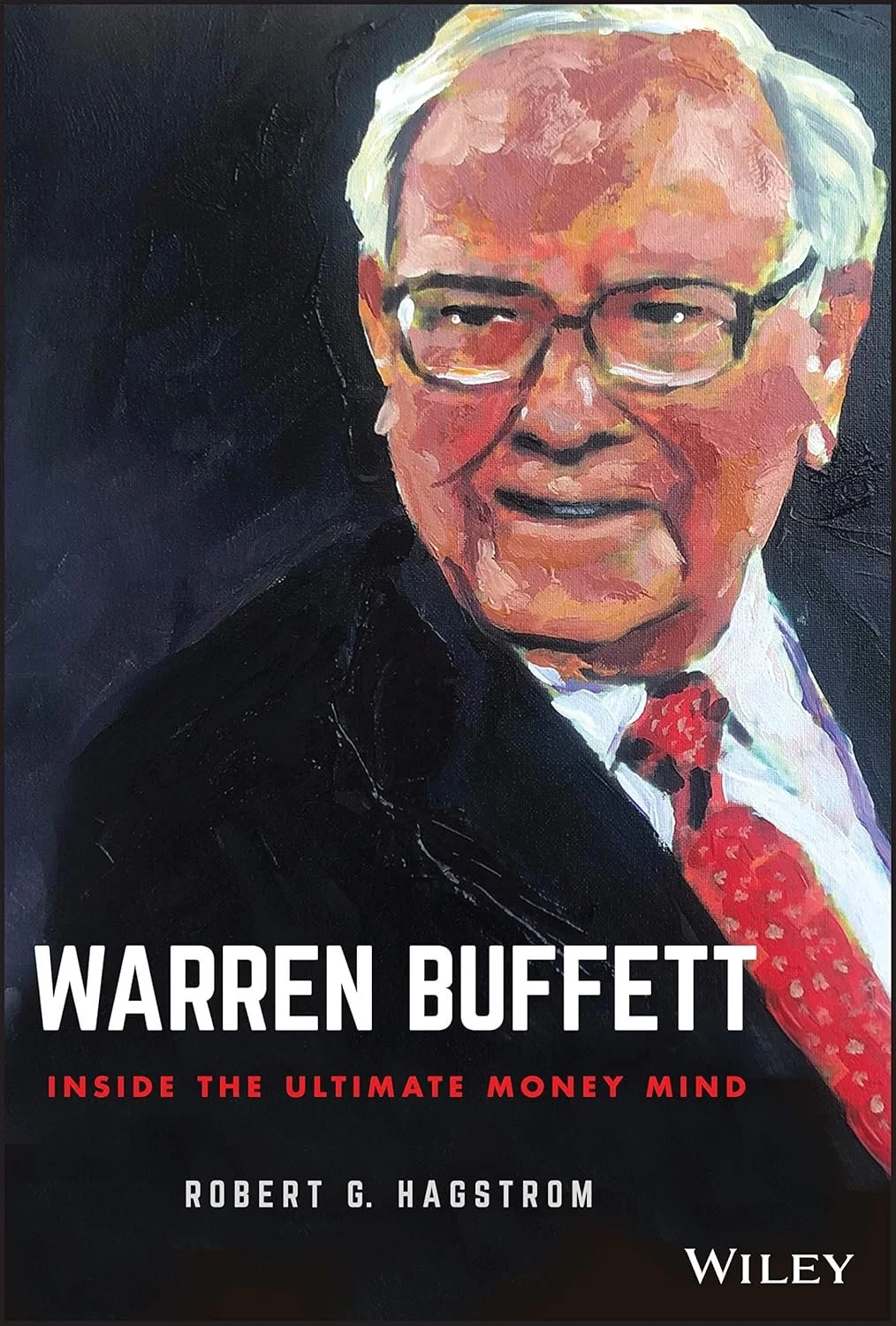
I became familiar with Robert Hagstrom a good few years ago now, taking a particular liking to his books The Warren Buffett Way and Investing: The Last Liberal Art. Recently, through the The 100 Year Thinkers podcast, I’ve become reacquainted with him so to speak, as part of the monthly show he participates in with Bogumil Baranowski and Matt Ziegler.
In parallel, Audible highlighted Warren Buffett: Inside the Ultimate Money Mind as suggested reading based on my recent listens. Always a fan of a Buffett book, and of Hagstrom’s work, I gave it a go.
Many books have been written about Warren Buffett, and this one probably acts as something of a blend between The Warren Buffett Way and The Snowball: Warren Buffett and the Business of Life, threading together elements of Buffett’s upbringing and earlier years alongside his investing principles and what makes up his “money mind.”
The book description states that “this isn’t a method book, it’s a thinking book,” and I couldn’t agree more. In fact, I’d say this is a perfect accompaniment to Investing: The Last Liberal Art in that both focus on the thinking and intellectual approach to investing rather than the direct application of specific strategies.
Whilst the book naturally bleeds into strategies relevant to the long term investor, they feel more like the byproduct of the central theme rather than the focus itself. The primary topic is what it means to cultivate a “money mind.” Not in the sense of obsessing over money, but in developing a particular way of viewing money, investing and wealth building that goes beyond intricate valuation models and formulaic approaches.
Part intellectual pursuit and part philosophy, this is an excellent addition for any rational, long term investor. Whilst you don’t need to be a strict follower of Buffett or value investing to appreciate the book, it’s difficult to finish it without gaining respect for the discipline and calm focus that the value investing mindset encourages.
If you’re completely new to Buffett, I probably wouldn’t start here. If you’re already familiar with him, you likely won’t learn anything dramatically new from a factual perspective. What you may gain, however, is a more reflective view of Buffett, not just his investing philosophy but his broader approach to business and life.
A solid addition to any investor’s library.
Who’s It For?
This is another book that sits firmly in the category of being written primarily for investors. Whilst you can still enjoy the philosophical elements without actively investing yourself, I think those who invest or operate businesses will gain the most value from it.