
Follow The Money
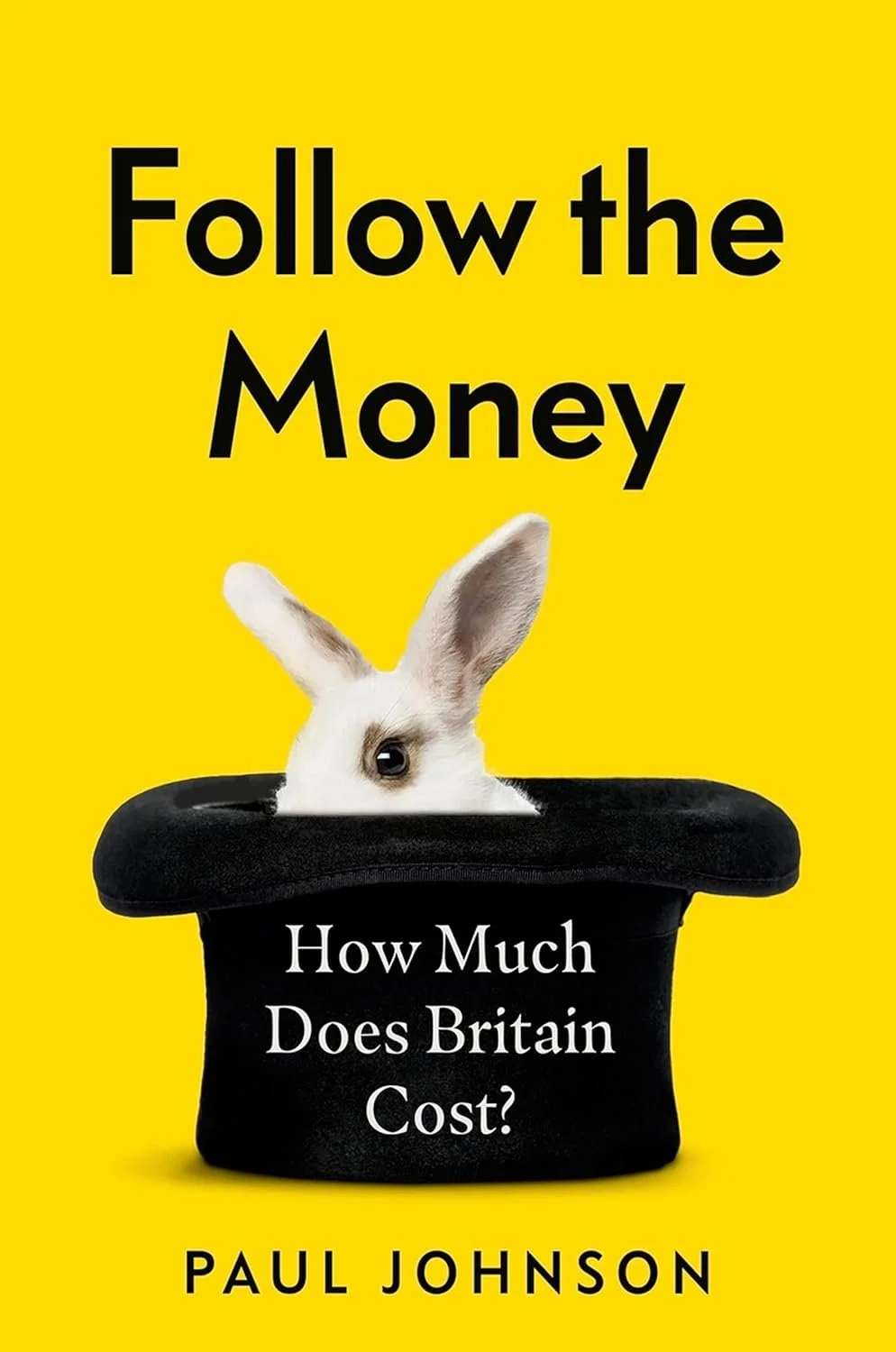
I'm not entirely sure which of my recent reads brought Follow the Money into my Audible recommendations. Given the nature of my reading list though, it's probably more surprising that it hadn't appeared sooner.
I'll admit I was sceptical before buying it. I've picked up too many books over the years promising to lift the lid on government finances or the economy, only to find them either disappointingly superficial or painfully dry. Contrary to popular belief, not every book on economics has to be difficult to get through.
I was pleased to find that Follow the Money was neither.
Coming not long after finishing The Deficit Myth, the contrast couldn't is stark. Whilst I fundamentally disagreed with much of the economic framework presented in The Deficit Myth, I found Paul Johnson's approach practical, insightful and importantly grounded in reality.
Whilst that doesn't mean I agreed with every solution proposed, I felt the way he explains the UK's public finances, taxation, government spending and debt is excellent. Too often discussions around the UK's fiscal position are either reduced to simplistic slogans or dismissed as being too complicated to understand. Johnson manages to avoid both extremes, making the underlying economics understandable without oversimplifying the issues.
One of the strongest aspects of the book is that it encourages readers to think beyond headlines and political soundbites. Whatever your views on taxation or government spending, the arithmetic of managing a country's finances can’t simply be ignored. The more interesting discussion isn't whether difficult choices need to be made, but which choices should be made and how public money can be allocated more effectively to deliver better long term outcomes.
It's also a useful reminder that whilst debates about tax and spending are often highly political, understanding the underlying numbers provides a far better foundation for evaluating the policies being proposed.
In case it isn't already obvious, I thoroughly enjoyed this book. It's exactly the type of book I'd like to see more people read, although I appreciate it's also the kind of subject many people instinctively avoid.
There's a certain irony to be found in the fact that public finances, taxation and government spending influence almost every aspect of our lives, yet they're often dismissed as too boring or too complicated to engage with. Especially given they tend to be the topics people complain about most.
If you've ever found yourself asking, "Where are all our taxes going?" or "Why hasn't this problem been fixed yet?", this is a very good place to start.
Who's It For?
Whilst I'd like to say everyone should read this, I appreciate it won't appeal to everyone.
For anyone with an interest in economics, public policy or UK politics though, it's an excellent introduction to how government finances actually work and why fiscal decisions are often far more complicated than they first appear.