
The Anatomy of Violence
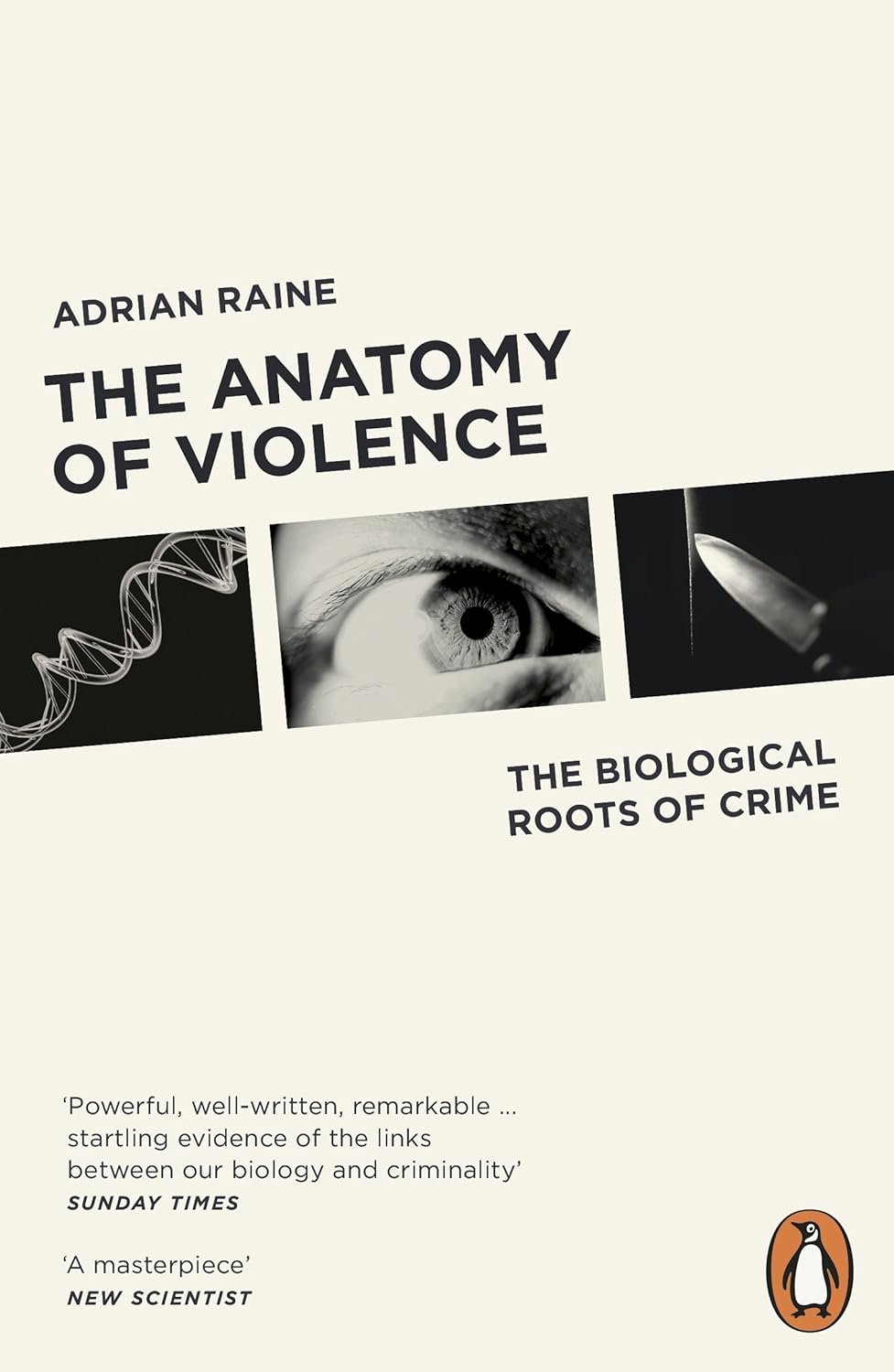
Once again, a recent trip to Waterstones did the trick of helping me break out of the algorithmic recommendations of Audible and Amazon to pick up something outside my usual reading. Whilst I came away with a handful of books, The Anatomy of Violence by Adrian Raine was the first I decided to dive into.
When I picked it up, I had a feeling it would go one of two ways. It would either be a dry, academic read that proved difficult to get through, or an unexpectedly fascinating one. Fortunately, it fell firmly into the latter camp.
Raine, a psychologist and professor of criminology, is exceptionally well placed to explore the potential biological roots of violence alongside the social and environmental factors that may also contribute to criminal behaviour.
One of the things I appreciated most about the book is that Raine largely lets the evidence speak for itself. Rather than making sweeping or definitive claims, he presents an extensive body of research and invites the reader to consider whether the growing evidence points towards some individuals being biologically predisposed, or at least more susceptible, to violent behaviour. Whether through genetics, differences in brain structure or traumatic brain injury, he carefully builds the case without overstating the conclusions.
The scope of the book is impressive. Raine explores the possible evolutionary origins of violence, the influence of brain anatomy, the effects of head trauma, childhood health and nutrition, and the interaction between biology and environment. For a book of around 350 pages, that’s quite a range to manage to cover.
Whilst the science is still evolving, Raine acknowledges that many questions still remain unanswered. Rather than presenting a definitive explanation for violent behaviour though, he concludes by exploring what advances in neuroscience and criminology might mean for preventing violence, improving rehabilitation and developing more effective approaches to criminal justice in the future.
One point worth highlighting upfront is that some of the case studies make for difficult reading. Several chapters open with detailed descriptions of violent crimes that can be quite graphic and unsettling. They're included for good reason and help illustrate the research being discussed, but it's something prospective readers should be aware of before being caught off guard.
Whether you're ultimately persuaded by every argument or not, the breadth of evidence, research and case studies makes for a genuinely thought-provoking read. It raises difficult questions about free will, responsibility and the extent to which biology may influence behaviour without pretending to have all the answers.
Certainly not one I expected to read this year, but it's another reminder of why browsing a bookshop can still uncover books the recommendation algorithms never would.
Who's It For?
Anyone with an interest in psychology, criminology or neuroscience will find plenty to take away from this book.
I stop short of describing it as "enjoyable" simply because of the nature of the subject matter and some of the graphic case studies it covers makes that feel like the wrong descriptor. However, it's an insightful and accessible read that offers enough depth to be valuable both to those studying the subject and to readers with a broader interest in understanding human behaviour.
If the topics of violent crime, criminal psychology or neuroscience don't particularly interest you, this is probably one to leave on the shelf.